
Museum of Attempts:
FRC Launchpad
Welcome to the Museum of Attempts, a living series from Renaissance Philanthropy showcasing cohorts across our programs. Here, we feature founders, researchers, teams, and individuals who pursue their ambitions beyond usual paths, and surface the winding routes, near misses, and hard pivots that shaped their work.
For this volume, meet founders in the FRC Launchpad. Many readers know similar efforts as BBNs; on this page we’ll use FRC to match the name of our programme powered by ARIA to build more of these organisations.. Across these profiles, you may observe common threads: research-driven problems, engineering-heavy toolkits, small, driven teams, and customers aligned with technical ambition.
This flipbook invites you to browse the attempts behind the outcomes: false starts, reframings, and design choices that set direction. It is an active experiment in what other forms research can take – service contracts and early customers as scaffolding, products that emerge from real use, and teams building capability step by step.
Enter, and watch the work take shape.
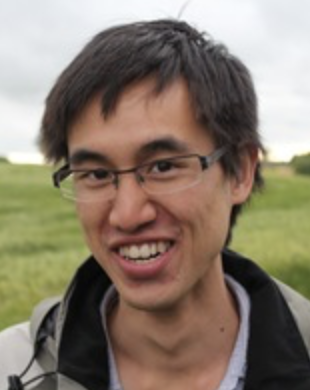
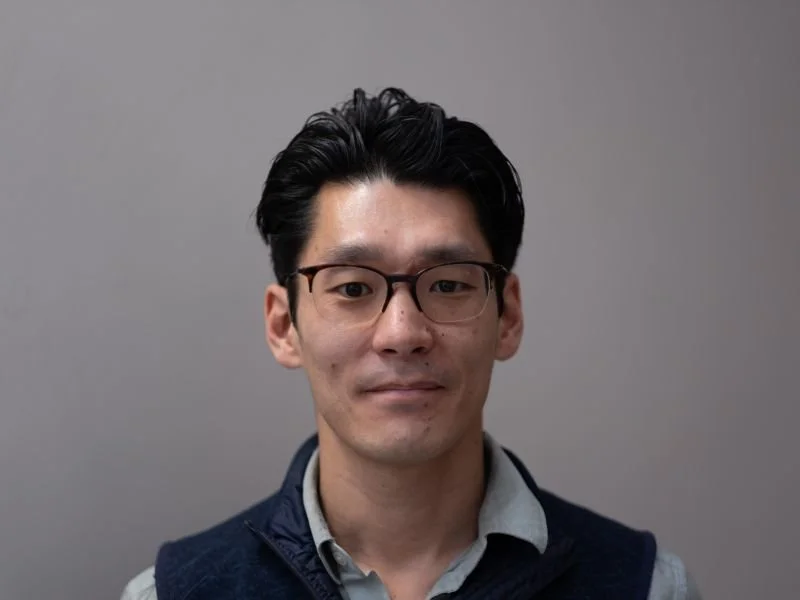
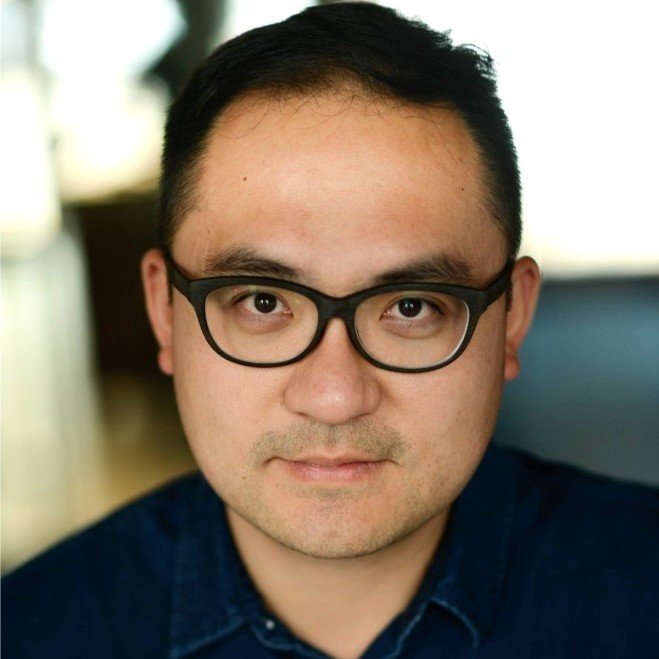
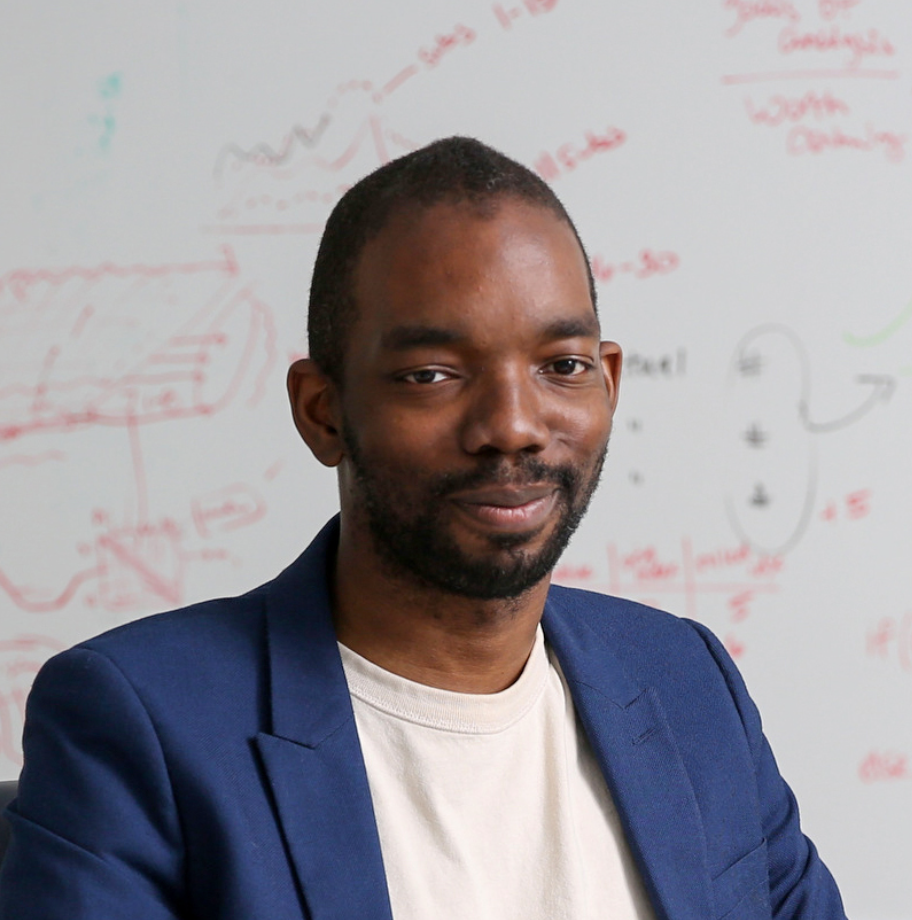
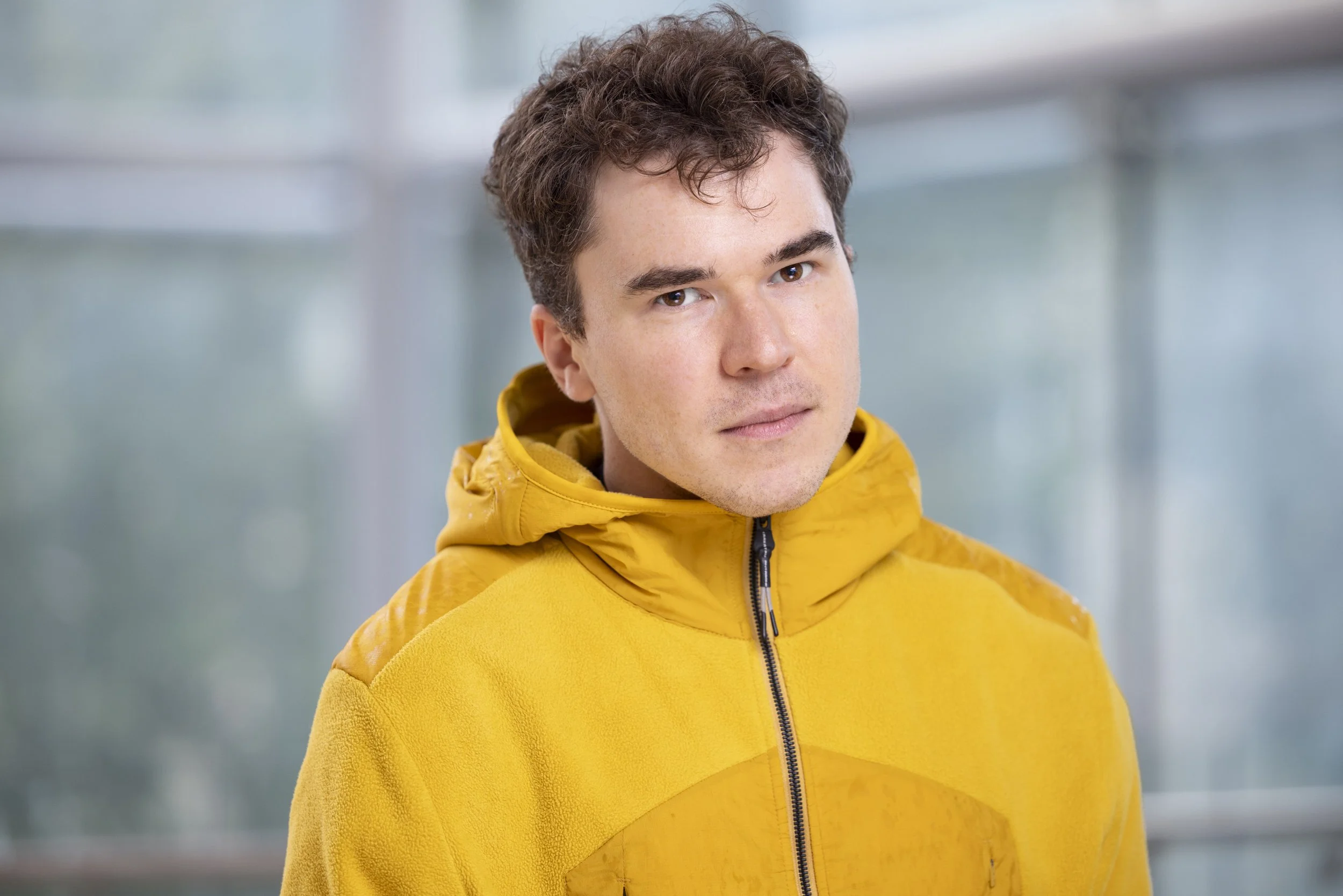
Our FRC founders: Brendan, David, Henry, Karen, and Zenna
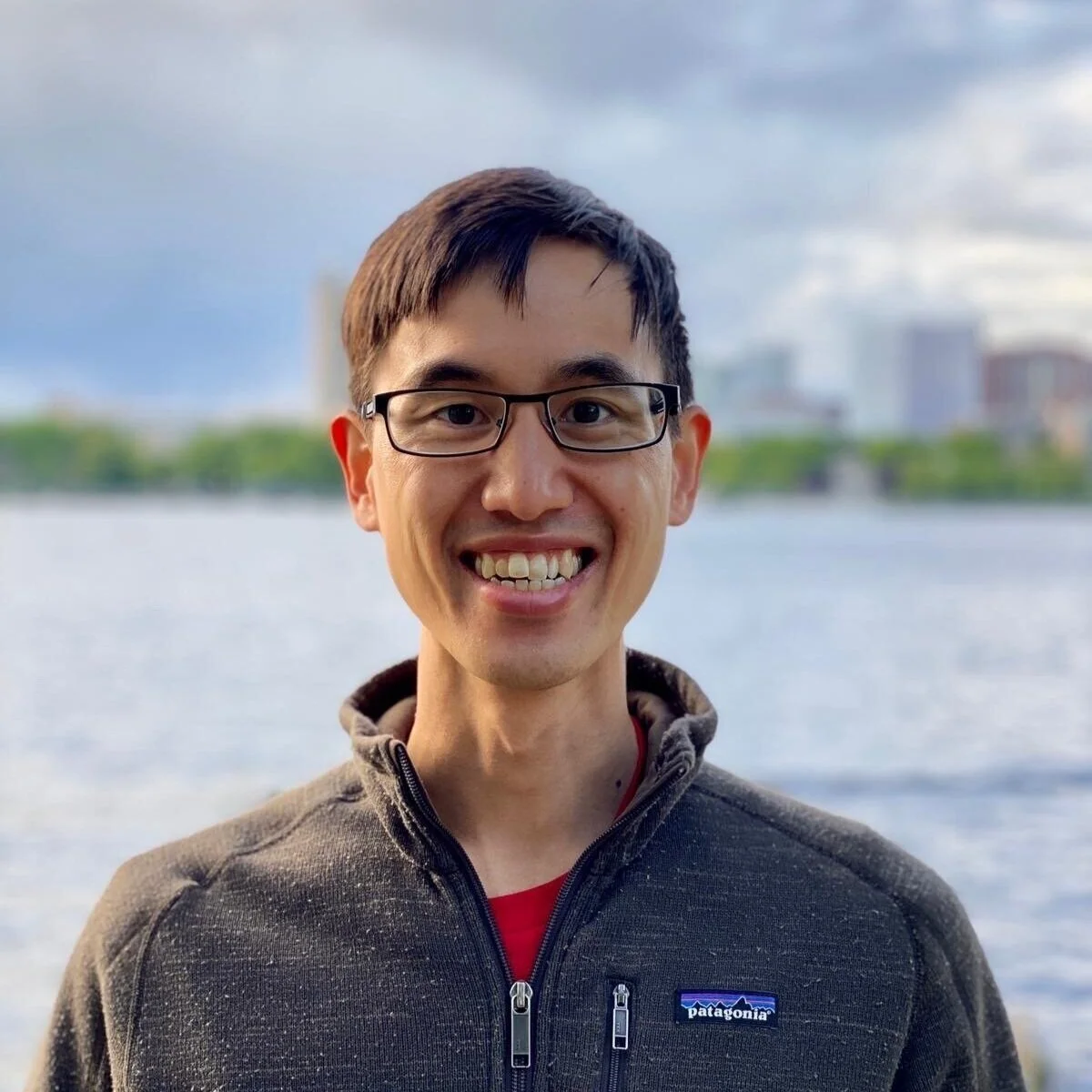
Brendan Fong: Topos Institute
Brendan Fong is a mathematician and the co-founder of the Topos Institute, a research organization built to turn deep structural ideas into tools that matter to people outside the academy. Topos works at the intersection of category theory, computing, and real users, organized more like a product group than a traditional department. Brendan’s north star is simple to say and hard to do: keep the beauty of mathematics while making it socially powerful.
What first pushed you toward founding an institute outside of a university?
Brendan Fong (BF): I appreciated mathematics as intrinsically beautiful, but also something that could be socially powerful.
I spent 10 years studying the mathematics of systems, translation between perspectives, programming language theory. As a postdoc, I was thinking – why? Why am I doing this? What do I care about? What change do I want to see in the world?
I was at an academic institution, and I was wondering: how do we actually get the social impact that we want? Is academia the right structure for that? Or are we just going to be writing more papers that nobody reads? I was interested in a theory of change that involved building technologies, but not in a way that was funded by VCs, with a bunch of private power. I do like universities - they’re beautiful institutions, with ancient roots, devoted to inquiry and public purpose. What could a modern university look like?
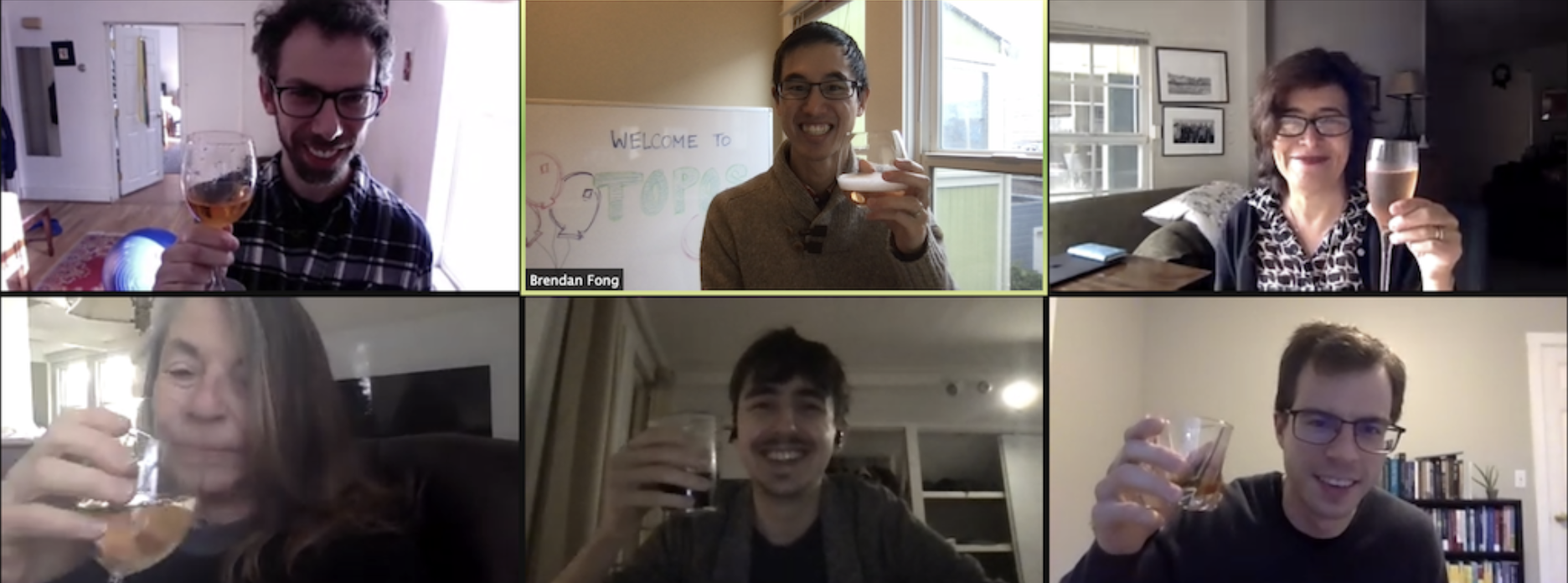
Topos launched during COVID so the celebration was on Zoom. (Sometimes timing chooses you.)
What were some of the questions that framed how you thought about risk, in the context of building Topos?
BF: There weren’t any material doubts or questions. The risk was getting too comfortable, too embedded in a structure where I couldn’t actually explore the questions I wanted to explore. My best work happens when I have a handful of people, with tight relationships, I’m seeing and thinking with on a day to day basis. There’s a certain life and energy to that conversation that keeps you up at night. It was increasingly hard to get in academia. All that to say – that question was: how do I find community?
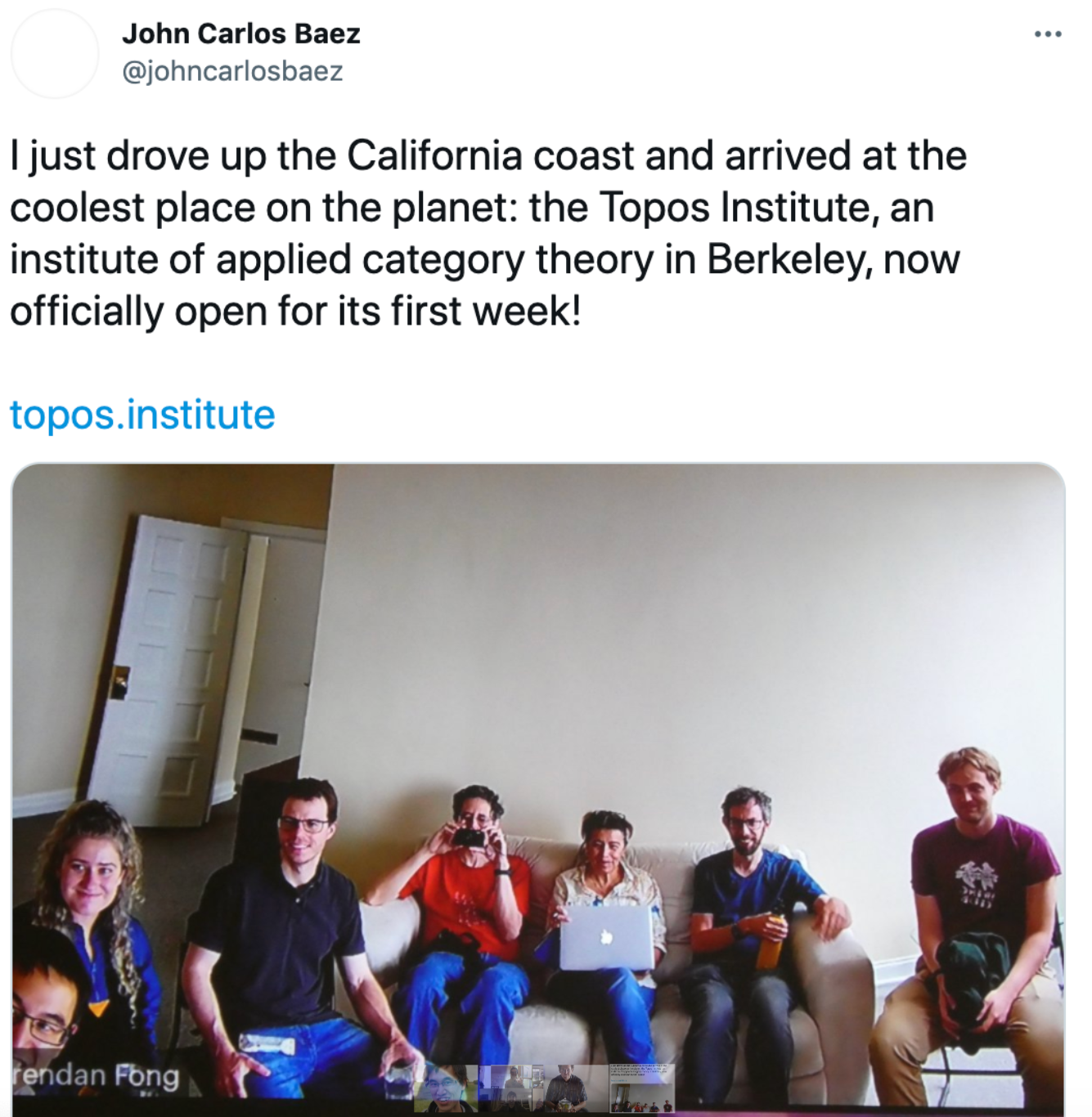
Topos' first week of opening in Berkeley
What has leading Topos taught or changed in you?
BF: How we communicate both our work and our social purpose. In academia, you try to say something once, completely. In an organization like this you have to say it simply a hundred times to get your mission and message out there. And it’s okay to be incomplete in your communications. It took me 3, maybe 5, years to learn that over time. I’ve come to appreciate more the value of saying “I don’t know,” or to acknowledge when a question is not yet answered and presenting that as a positive response. The temptation when things are uncertain is to say it’s all under control.
Tell me about the first time that you did something unconventional in an institutional capacity.
BF: My parents made me go to Saturday Chinese school as a kid. I wasn’t learning anything, and I wanted to be doing something (anything) else on my Saturdays. Eventually, I struck a bargain with my parents: I didn’t have to go if my primary school taught Chinese. So I wrote a letter (actually, I bet my mum wrote it; I signed it) to my school principal requesting a Chinese class. I was maybe in third or fourth grade at the time.
When I was in grade six, they got a grant from the government and started teaching Chinese language within the school. (I still don’t speak Chinese, by the way.)
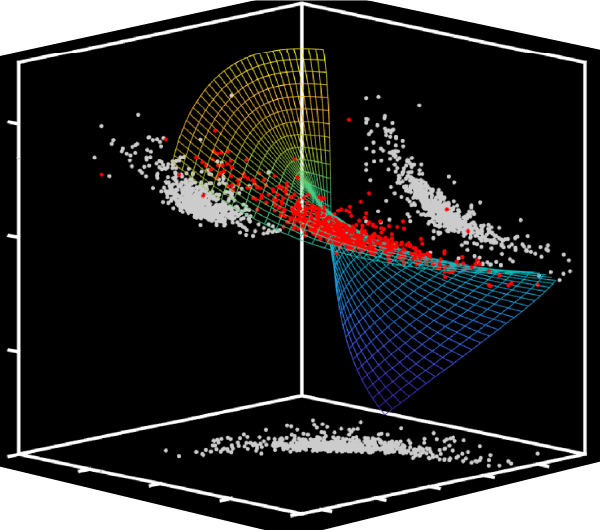
David Jordan: Living Physics Lab
David Jordan trained across bioengineering, mathematics, biochemistry, and chemistry at the University of Pennsylvania, completed a PhD at Rockefeller in Stan Leibler’s lab on non-genetic individuality and behavioral variability, and then did a postdoc at Cambridge studying low-dimensional structure in development. After an ARIA grant, he chose a FRC path to keep doing interdisciplinary science without being forced into narrow incentives; he is based in Cambridge, UK.
Why did you choose to pursue the FRC, contractor style model instead of a university track or VC funding?
David Jordan (DJ): I applied for a lot of academic positions, but the way I approach science is quite different. I’m very interdisciplinary, I like to use a lot of different techniques. Everyone was telling me to focus on one thing; to be the guy that does one thing and get a job. That didn’t appeal to me. I felt like continuing in academia would change the type of scientist that I was.
I really like the FRC model because it fits where others don’t. The profit motive and timelines [in VC] were way too short. With the FRC model, you can be a little bit more particular about what work you choose to take on, and see if there’s a path forward for a combination of engineering and design, software development, and more.
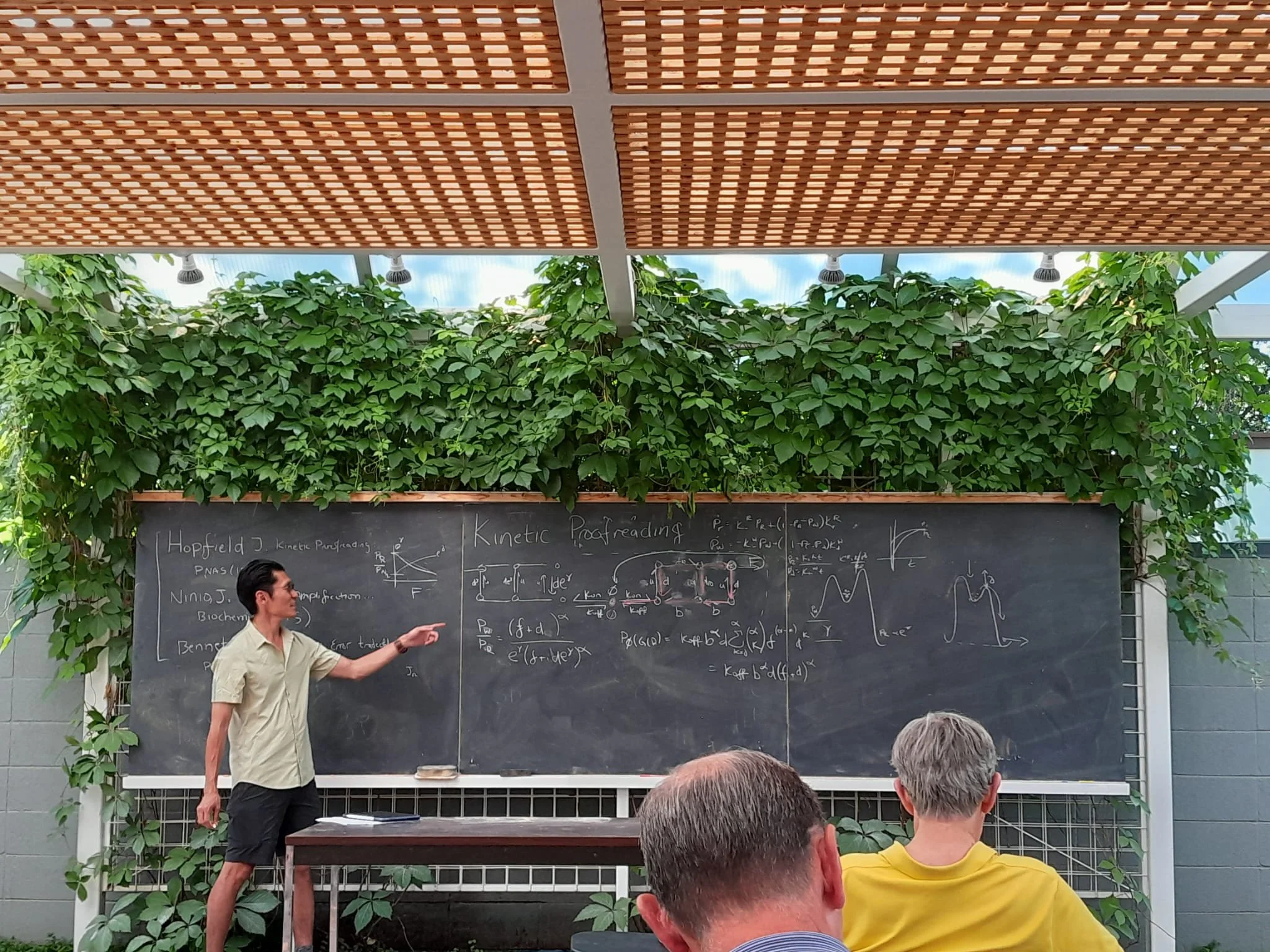
David giving a lecture at an outdoor seminar
What’s a mindset shift that you’ve adopted since joining the programme?
DJ: I’ve not been here for very long, but I’ve already started to look for opportunities to apply what I already do for my own research at other groups, for example, for new professors who could benefit from using some of the custom hardware I’ve designed with a few tweaks.
I’ve also adopted the mindset of looking for customers, talking to people, forcing me to think about things like customer acquisition that would have never crossed my mind. And these are valuable across the board: if you’re an organization trying to get academic grants, government grants, philanthropic funding, contracts, these are all effectively clients. You have to figure out what they want, how you want to align what you provide not only to their demands but also to my own technical vision.
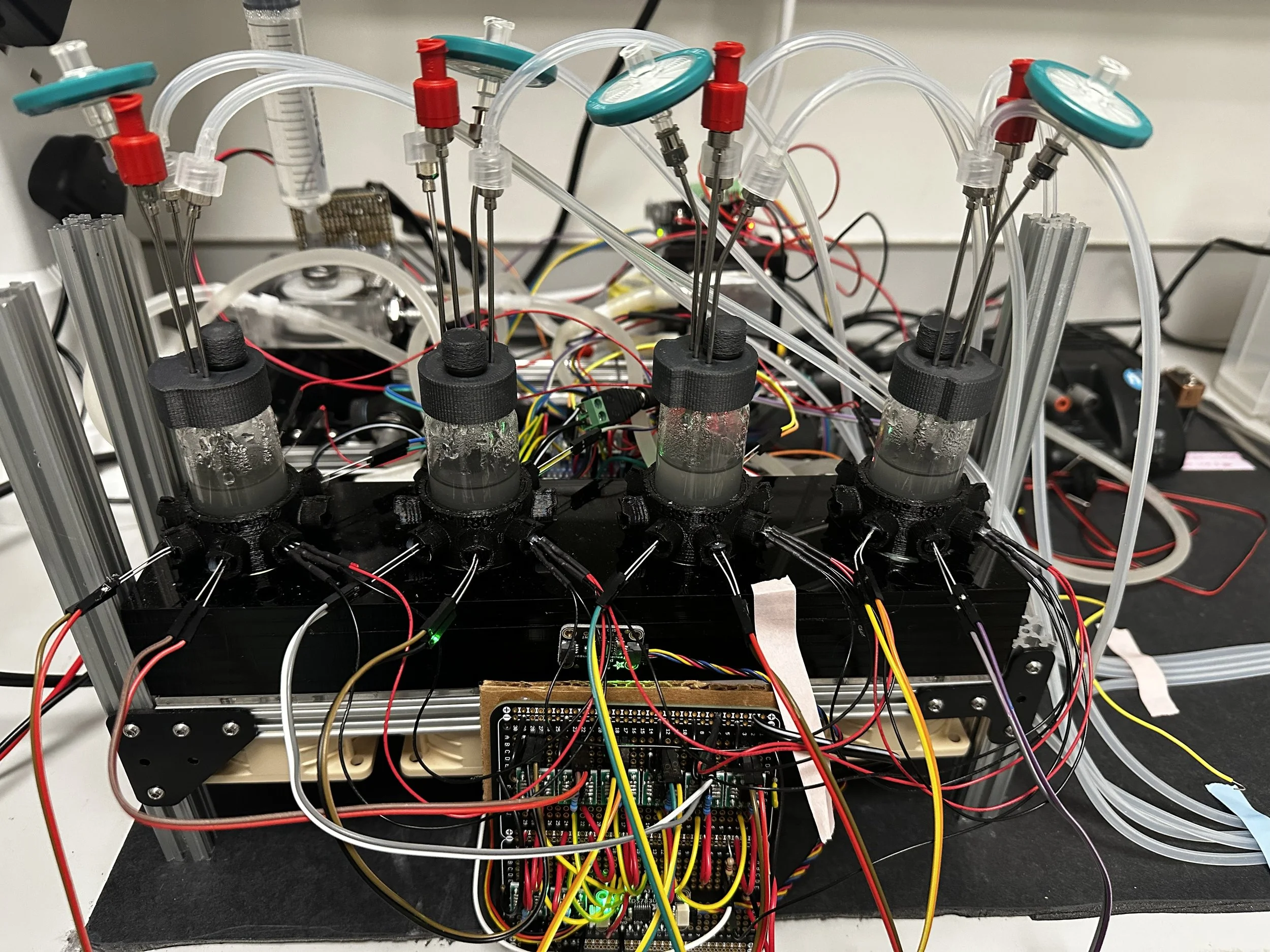
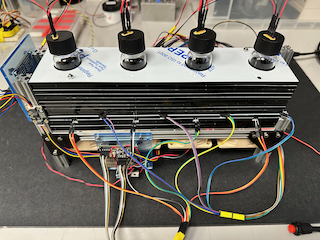
Custom bioreactor setup at Living Physics Lab
You chose the more unpredictable, novel path over the revenue maximization, career safety-net path. What capabilities did you gain because of it?
DJ: I think the biggest unlock has been the creativity that can come from shrugging off the constraints of a system. For example, I don’t think of scientific outputs as necessarily just PDFs. Without the constraint of having to publish for academia, have the freedom to explore the future of alternative scientific outputs. For example, now I put things online on my blog and quickly share notes about how I built something, a calculation I did, or some early experimental results. I can put interactive data on my website, and see people click through it; I push code and data to a GitHub repository, and that allows [users] to write their own analysis code. There’s transparency now in how figures are made, where the data is. There’s very little innovation in scientific publishing from established journals despite the fact that they make ridiculous profits.
What advice would you give to a 22-year-old David, the young researcher, who’s considering this route?
DJ: You love engineering and building stuff; find ways to do more of it! You’re going to start to believe that in the idea of “pure” science, in the ivory tower, but I think it is not true. Don’t be afraid to do some engineering work, and see if you can find a new theory or path from there.
Henry Lee: Cultivarium
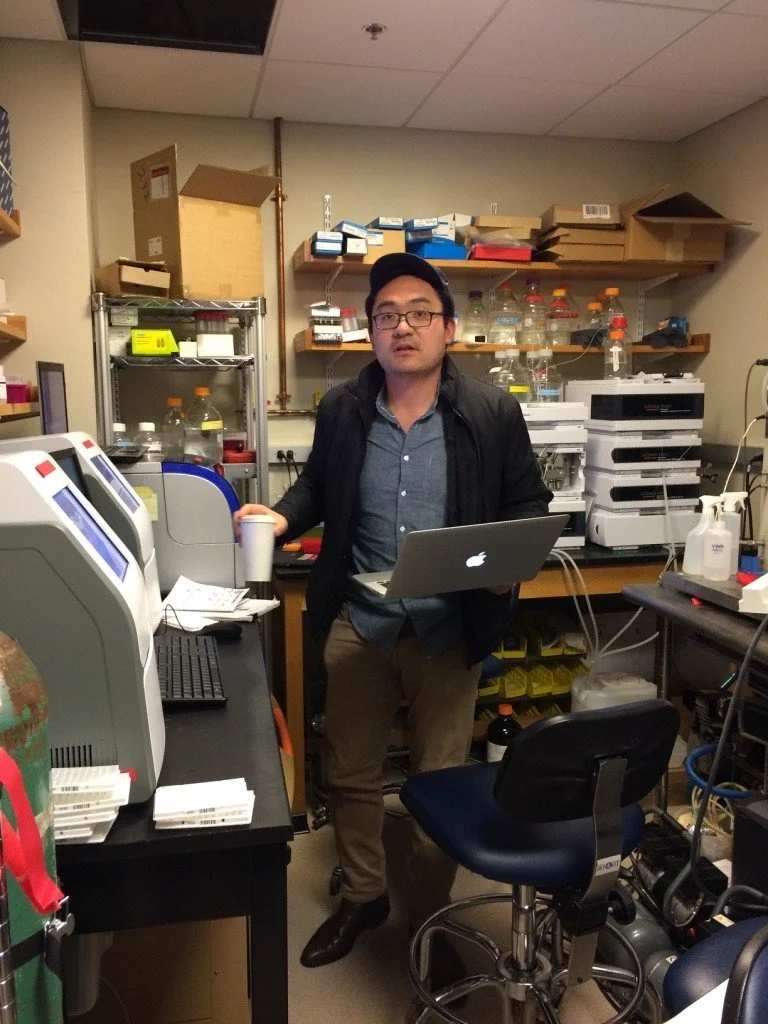
Henry Lee leads Cultivarium, which began as a Focused Research Organization (FRO) supported by Convergent Research. Built and based in Boston, his team started with core technologies in bacteria and is adapting them to other domains like fungi and archaea. The broader ambition, in Henry’s words, is to “understand and engineer the entire tree of life and the entire ecosystem, to our benefit.”
How do you think about risk culture and entrepreneurship for scientists – especially life scientists?
Henry Lee (HL): I disagree with the expanding zeitgeist that it is desirable to drop out of anything. There is a glorification of entrepreneurship that oftentimes is not correlated with substantive contributions to society or science. I also think there’s a problem of hyperoptimizing capitalism for capitalism’ sake, though – you’ve probably seen “Thou Shalt Not Build SaaS.” [laughs] What I hope to do is create things that enrich us as a society.
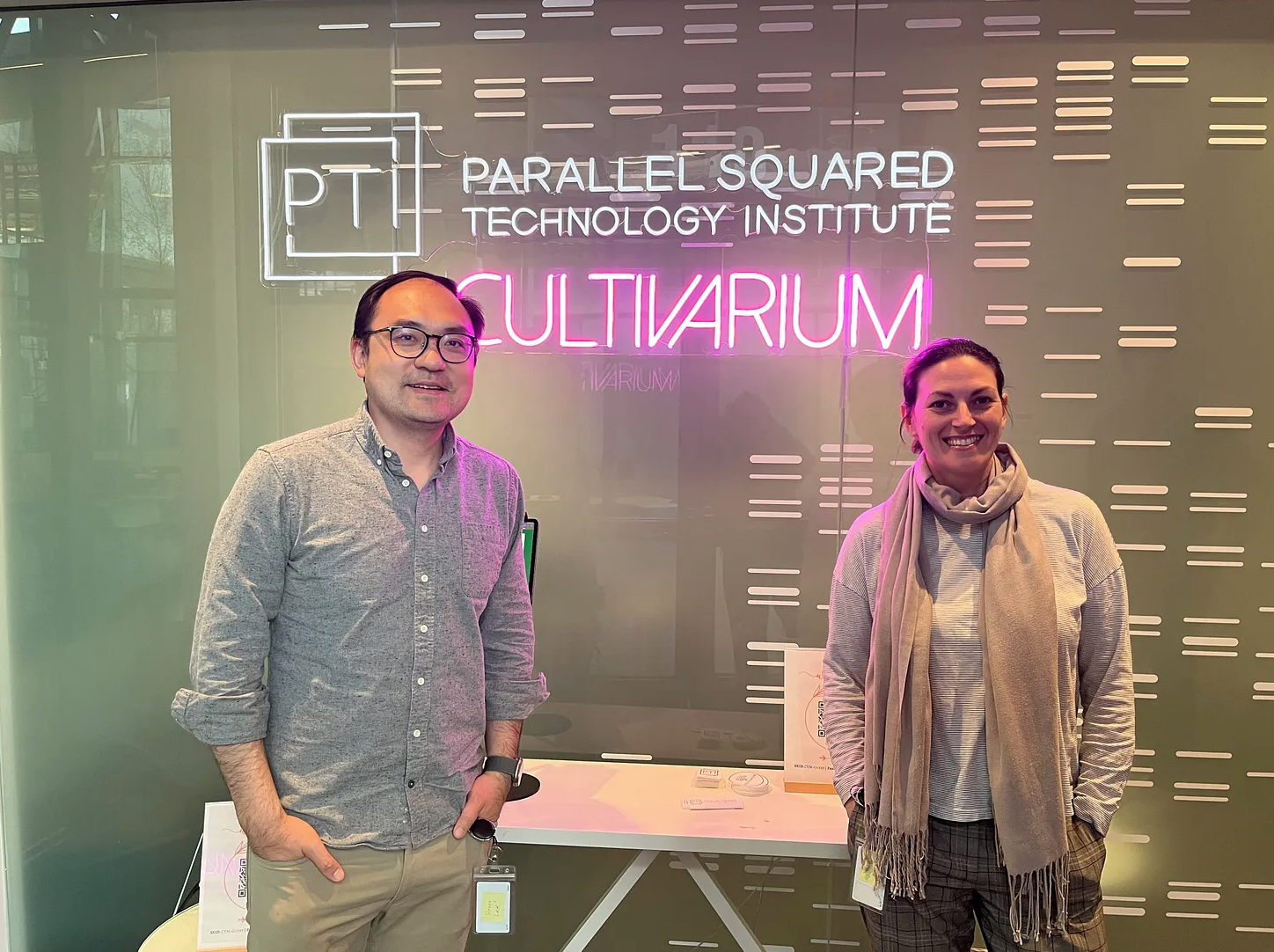
Henry and his co-founder, Nili
What moments in your training shaped your thinking and approach?
HL: I was really fortunate to train with some really influential scientists like Jim Collins and George Church – I used those opportunities to do things I couldn’t do anywhere else because of access to technology or funding constraints. I did my postdoc research on Vibrio natriegens (it divides twice as fast as E. coli, so I thought, hey, I won’t have to wait so long to try stuff).
But even then, it took me 7 years to get all the basics working. There was a serious need for systematic thinking of engineering principles for engineering organisms. That’s what started Cultivarium.
I spent a lot of time thinking about the engineering principles and fundamentals of biology. One of the questions I'm really obsessed with is, if we ever find alien life, and we need someone to reverse engineer it, I would love it if they called me first. We don’t know anything about this biological thing. What would I do to figure it out?
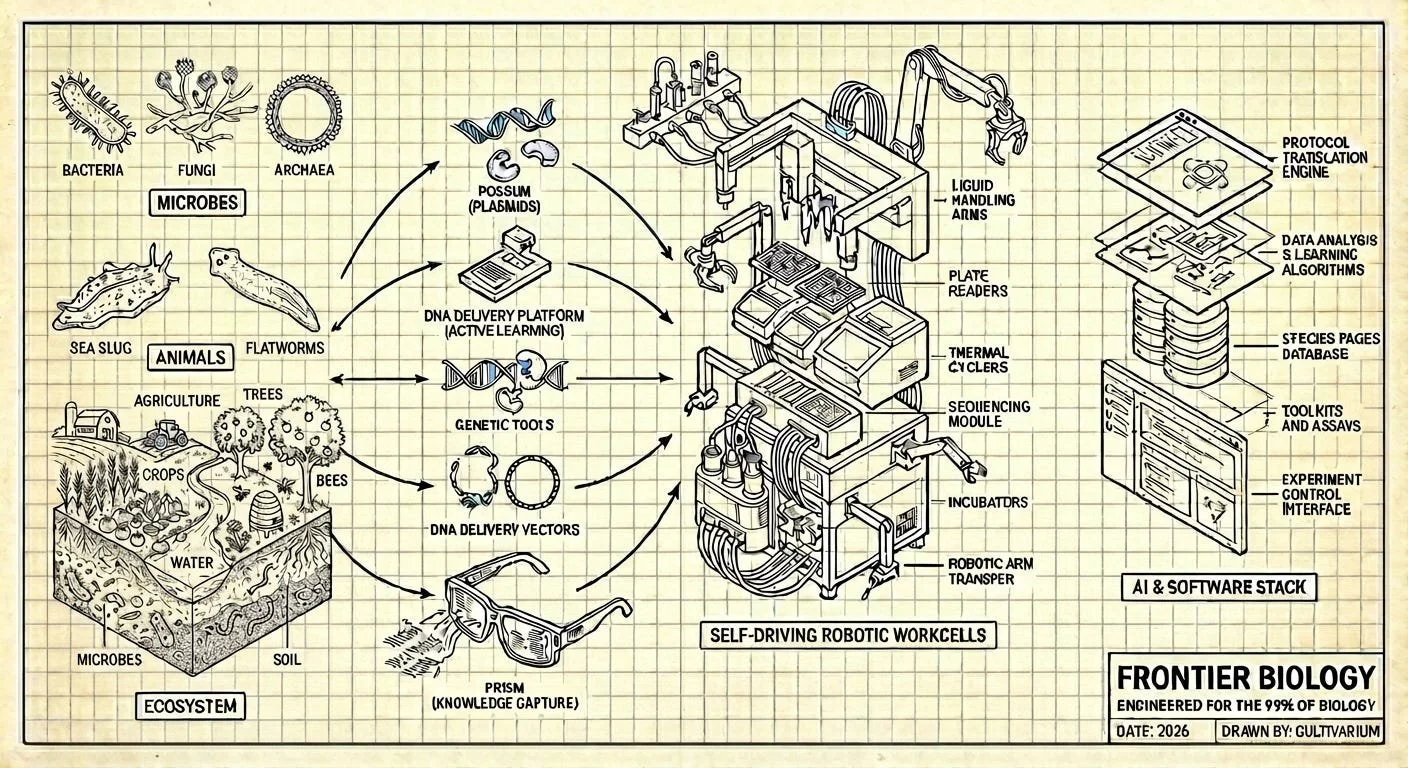
Schematic for frontier biology, drawn by Cultivarium
And academia wasn’t a viable option because…
HL: There’s not a single federal funder that would allow us to tackle this in a cohesive and intensive way. There are small pockets of money, but not enough long-range investments.
What would you tell your younger self, in that postdoc lab, about this method of doing research?
HL: I would say give yourself the grace of learning. Take the time to learn. There’s not a huge rush. I thought a lot about what I was interested in, what was meaningful to me, and you have to walk your path to define that for yourself.
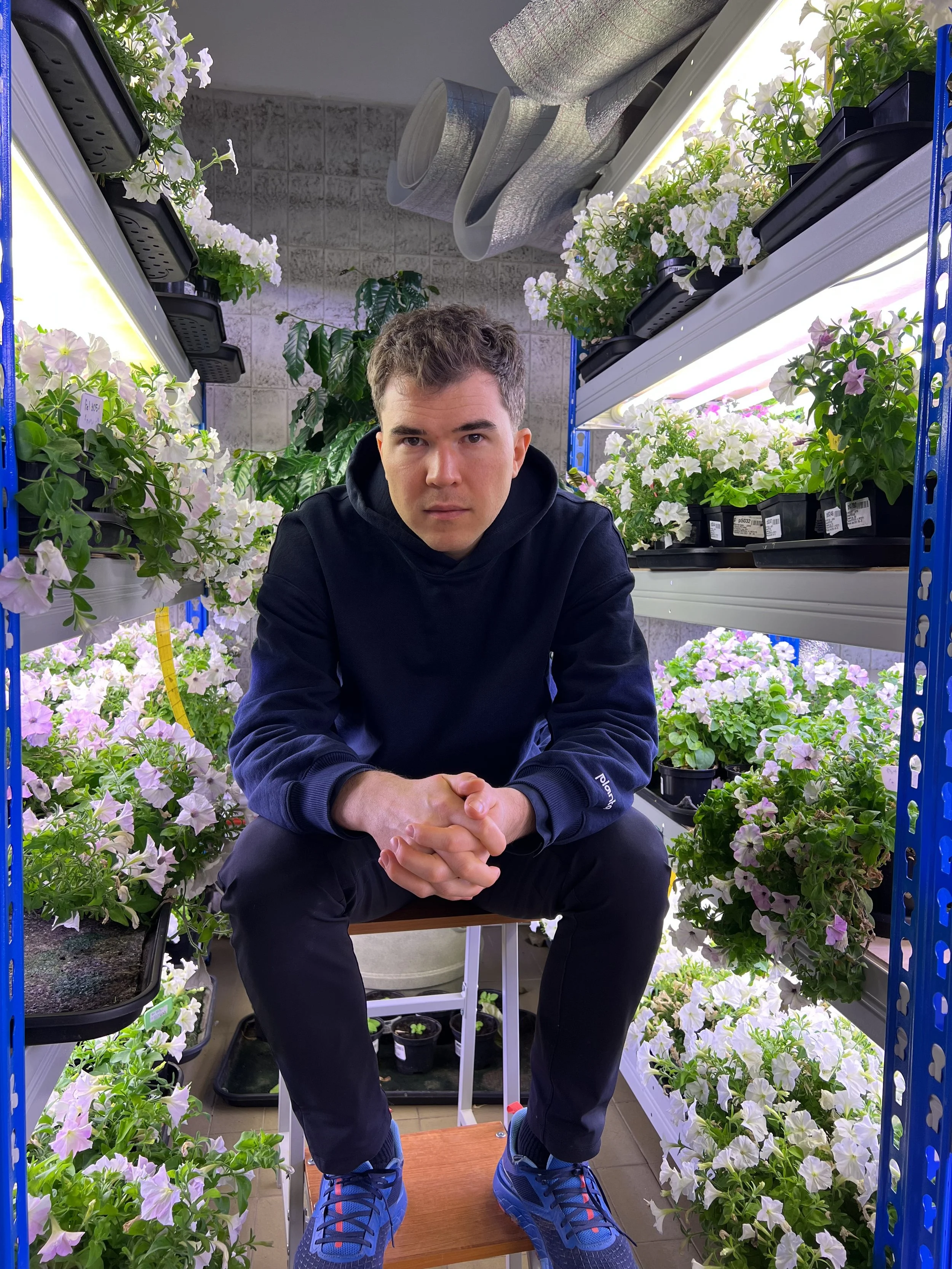
Karen Sarkisyan: Syntato
Karen is a molecular biologist by training. His team discovered a technology that allowed any organism to glow in the dark. This technology, especially compatible with plants, led to spinning out Light Bio, a company to engineer self-sustained bioluminescence and eventually selling glowing plants to consumers. He’s now pursuing an FRC path for his new company Syntato, developing a platform for precise trait deployment onto synthetic chromosomes across plant species. Syntato’s chromosome technology is expected to reduce costs for commercial agricultural applications and enable large-scale plant programming.
Why didn’t you take this to an academic lab?
Karen Sarkisyan (KA): I love academia – it’s amazing to be able to explore things freely and be surrounded by people trying to understand how nature works. But academia is not meant to create businesses, there is no incentive structure for it, and there’s a misalignment between what academia needs to produce and what business needs to produce. With our Syntato project, I am hoping to get a product into the real world, and we will need the right incentive structure and a lot of resources to pull this off.
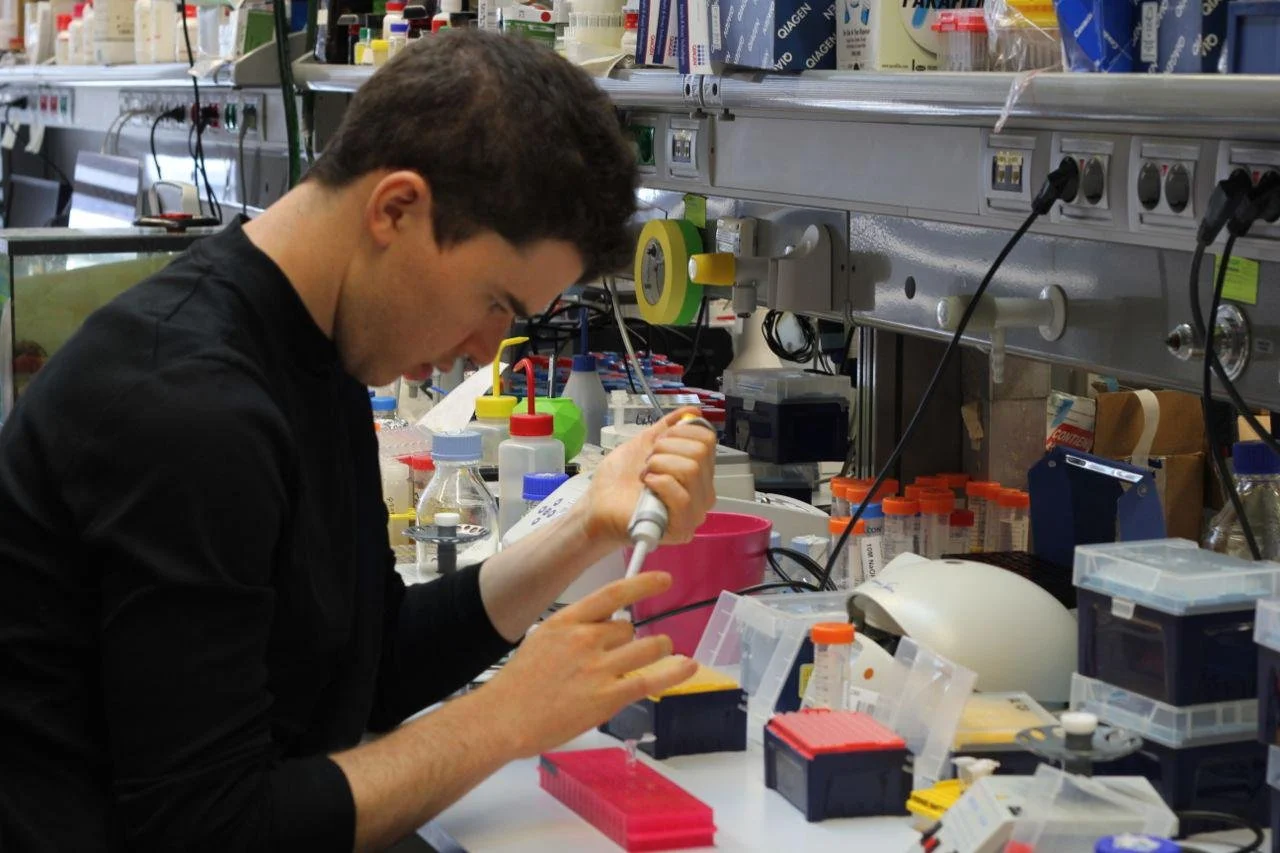
Karen, pipetting in the lab
With your previous company, Light Bio, you’ve now managed both technical and market risks. What has surprised you most moving from research and more into industry, customer-oriented timelines?
KA: I had no understanding of how the industry works. As a researcher, you see your projects from the technical side, but you lack knowledge of how the industry operates, what types of players there are, what the processes are, and what the industry expects from your product. One clear surprise was that the industry timelines were much longer than we expected.
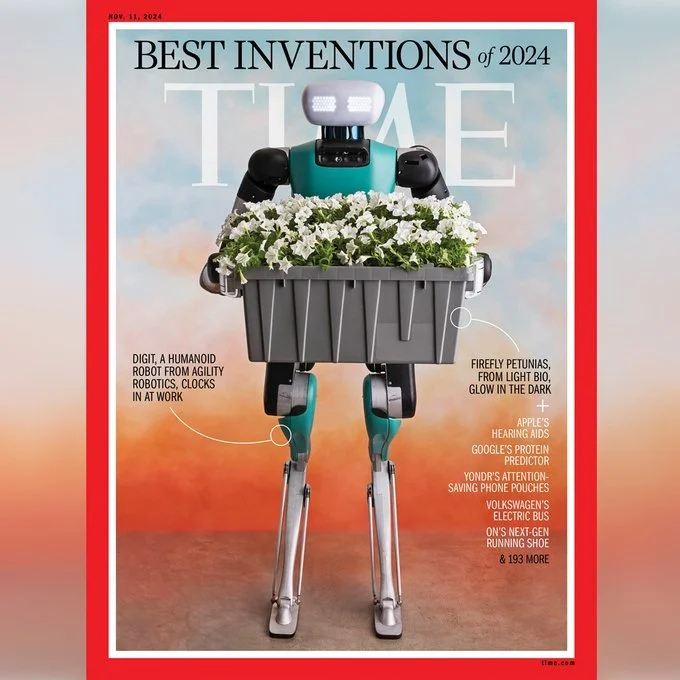
Light Bio named as one of TIME’s Best Inventions of 2024
What have you learned about the agriculture industry, and doing business with it, that you didn’t have exposure to before?
KA: Agriculture is unlike pharma and other areas of biotechnology. Agriculture is probably the most scaled human biotechnology: any useful trait in plants can be scaled to hundreds of millions of acres in a few years’ time, that’s a huge scaling potential. On the other hand, food production has low margins, and bringing a genetically modified plant out to market has typically very long timelines, about 15 years on average. In addition, the market is quite consolidated. From an investment perspective, it’s a very different story to take bets in this field, compared to pharma. I feel very lucky to have this FRCL funding to help us explore where we fit in the industry, to get the perspectives of larger industry players.
What’s one learning that you’ve taken away from being a founder that you’d want to pass on to academics thinking about an opportunity like this?
KA: We’ve made many mistakes. But the most common one was the lack of focus. We have a tendency, as academics, to explore things broadly – and in a startup, we have to keep reminding ourselves to stay focused.
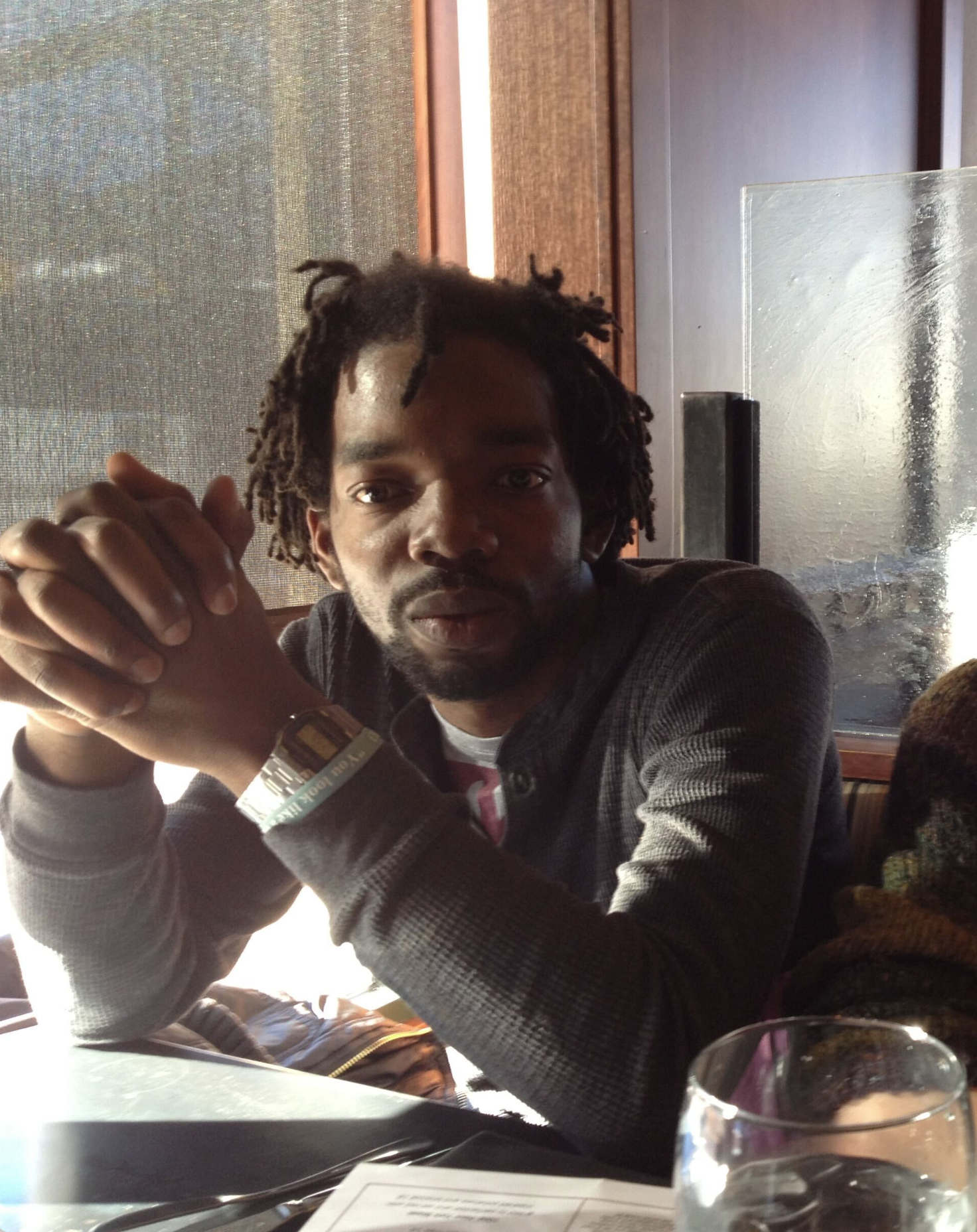

Zenna Tavares — Basis
Zenna Tavares is the co-founder and co-director of Basis. Trained in electronic engineering (Nottingham), bioengineering with neurotechnology (Imperial), and then a PhD at MIT spanning brain and cognitive sciences and programming languages, his research developed causal probabilistic programming and now aims to turn that foundation into a robust technology for scientific and societal problems via an organization designed to build and deploy it.
Your research statement talks about ‘understand and build.’ What does that mean?
Zenna Tavares (ZT): You really understand something if you build it… but it doesn’t go both ways. You can build something without understanding it. I’m choosing to do both. It’s in Basis’s mission: to understand and build intelligence, like aerodynamics for flight, to engineer principles that let you design many different flying things. For us, the pillars include uncertainty, models of the world, and causality, and using programs that can simulate and support those inferences.
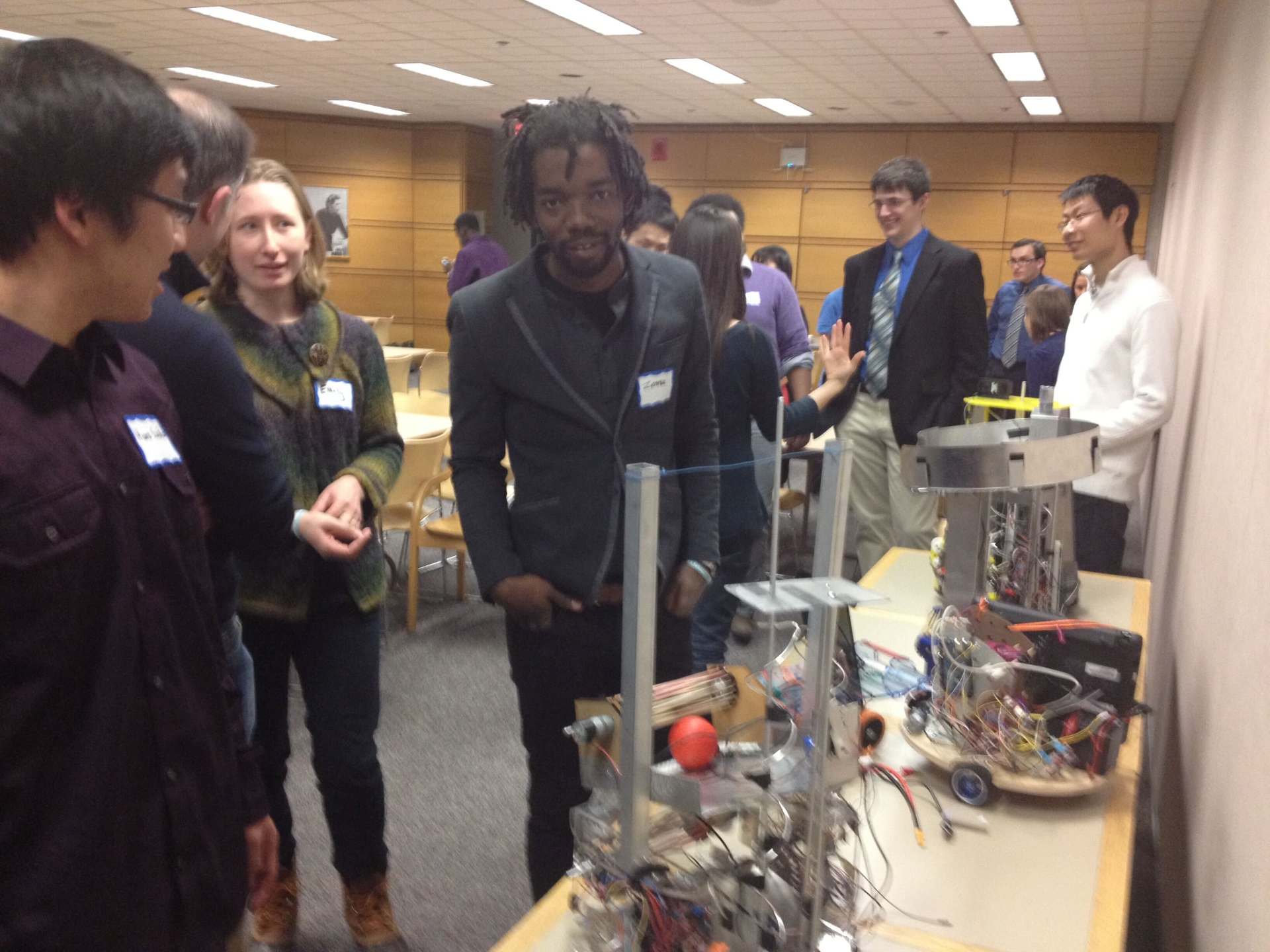
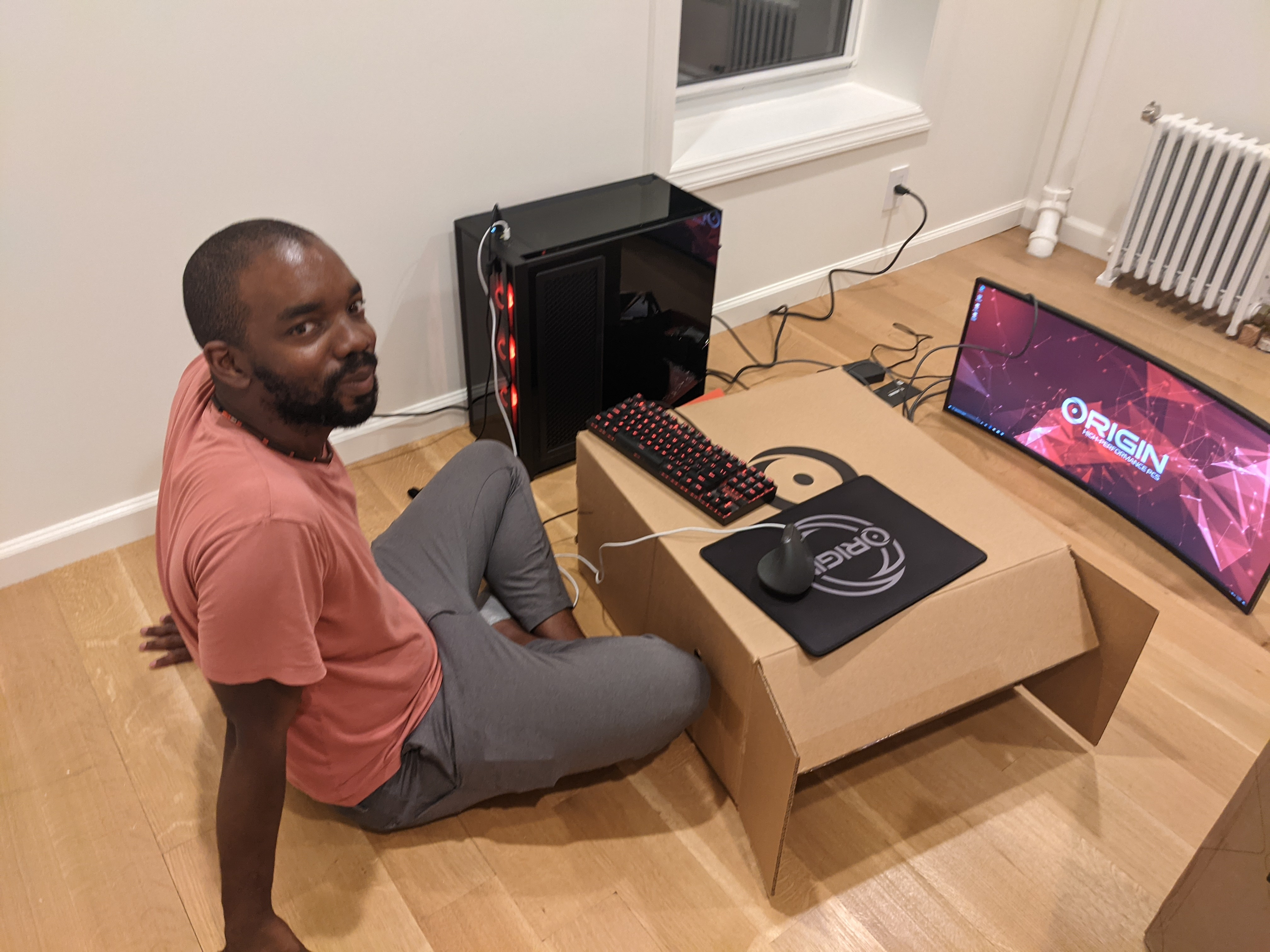
Zenna in his early, empty NYC apartment (left) and with co-founder Emily at a robot-building competition (right)
You spent plenty of time in academia. Why’d you leave?
ZT: We had developed really strong foundations and tools, but they weren’t having the kind of impact that we would want. Academia didn’t have the funding, engineering capacity, or incentives, and private companies also have a different incentive structure that we didn’t align with. At the same time deep learning was exploding, you saw a narrowing of research, and I felt important scientific and societal problems weren’t being serviced as much.
That was what really got me thinking about building an organization that would build this technology, and solve these problems.
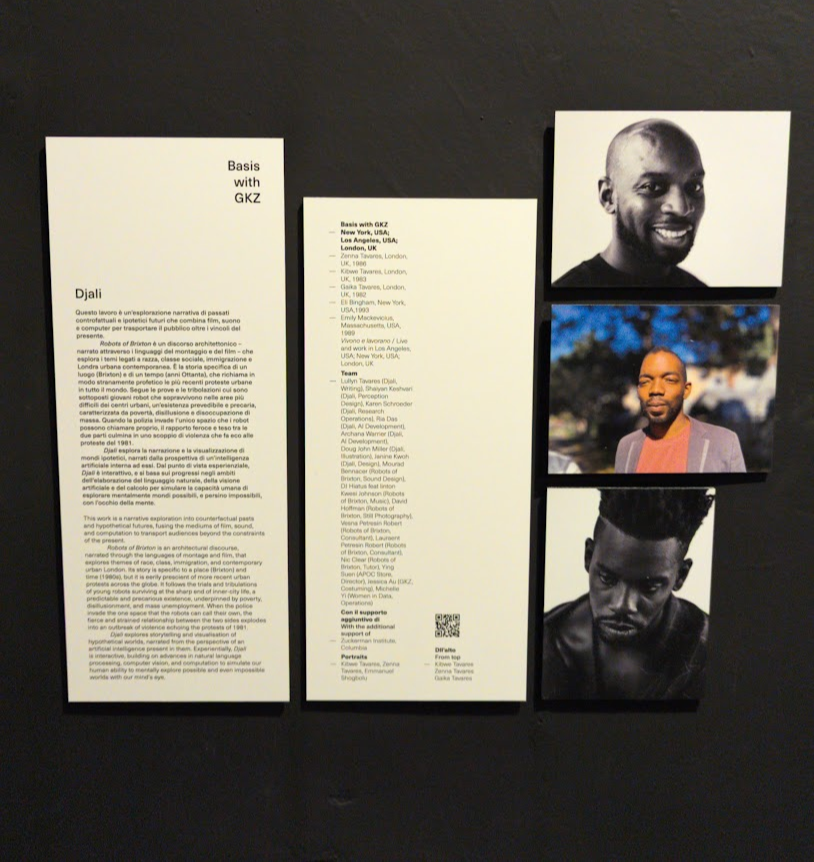
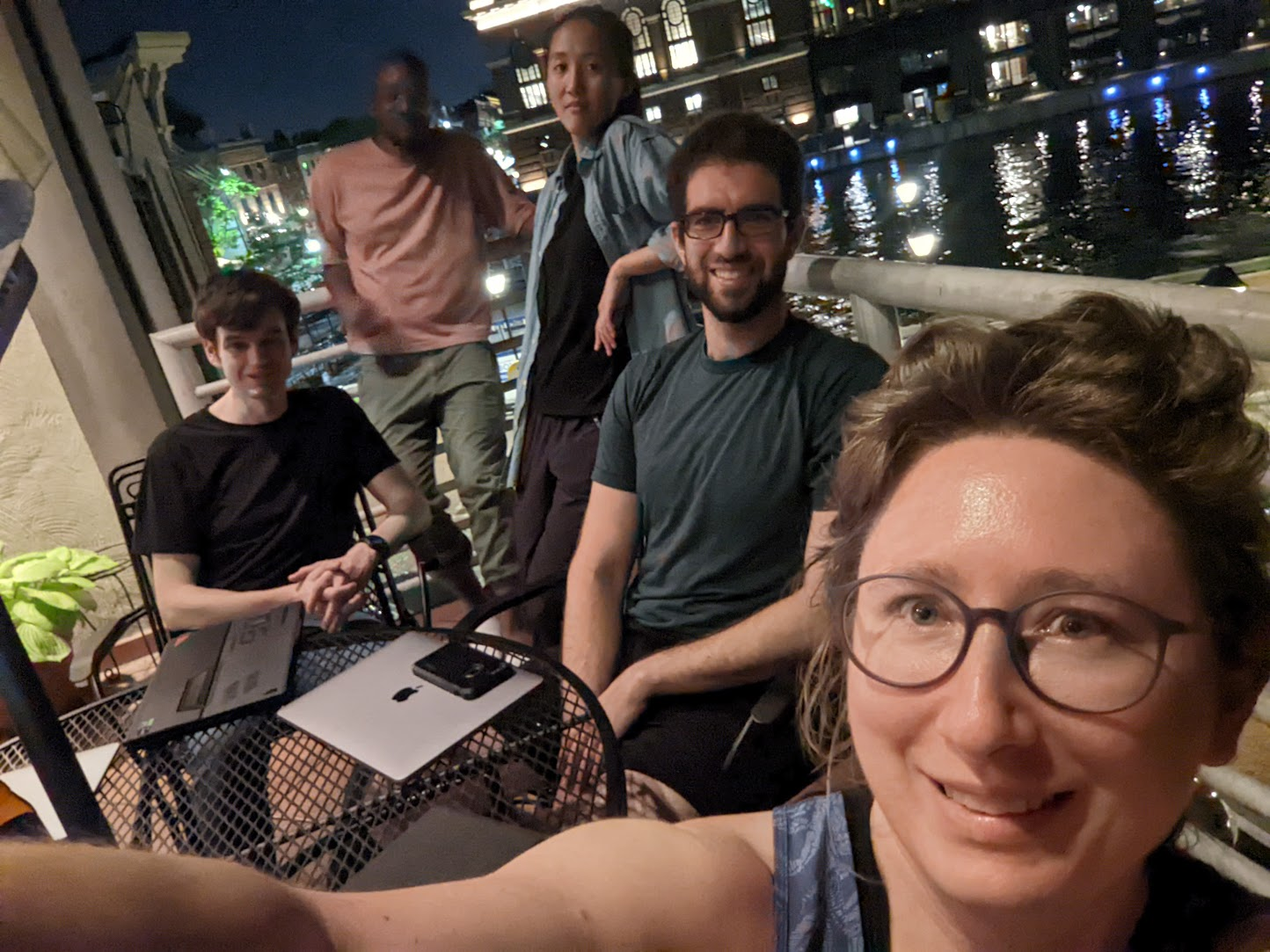
An early Basis team photo (left), and a display at the Venice Biennale (right)
What day-to-day reality surprised you as a founder, perhaps something you didn’t think about as a researcher?
ZT: Negotiation occupies a lot more of my time than I anticipated: with collaborators, with people we’re trying to bring on. It’s a very human process, to tap into the extended understanding of the person or entity you’re communicating with.
One of the challenges, which I didn’t fully anticipate, is that when you try to do ambitious research, it requires a lot of money. We’re a nonprofit research organization. AI is an incredibly competitive space. So one of the things I’ve had to think about a lot is how to maintain a highly qualified team, with excellent people, and balancing that with enough funding and profit. It’s an interesting financial model. But it’s just a trade-off for being able to maintain the vision of the research organization that you want and scale it in that way.
Tell me about an early moment where you tinkered something new and how it shaped you.
ZT: I’ve been tinkering since I was young. My father used to bring home pirated software – I must’ve been age 8, or 7, and my brothers and I played with software we didn’t understand. These were professional computer graphics software, old programming environments, and every time we learned how it worked. My brothers went into directing/animation; I went into programming and technology, and I think a lot of it traces back to tinkering with what my dad used to bring. Good times.