
BiTS Fellows
2025 UK Cohort (Powered by ARIA)
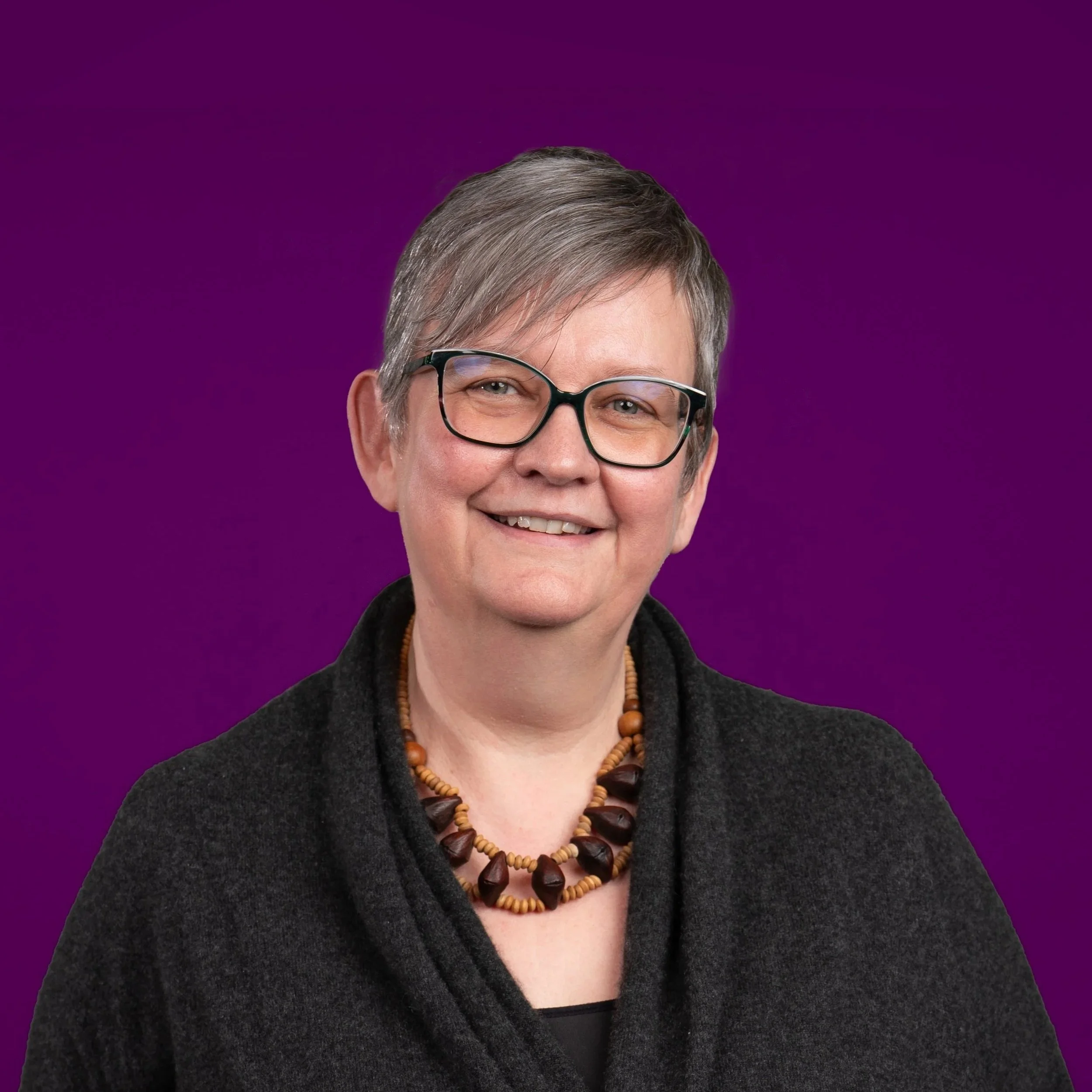
Roslyn Bill is Aston University’s 50th Anniversary Professor of Biotechnology and Director of Aston Institute for Membrane Excellence. She obtained her Bachelor, Master and Doctoral degrees in Chemistry from Oxford University. After a short period working as a clinical scientist in Cambridge, she undertook postdoctoral study at the University of Michigan as a Fulbright Scholar. She then moved to Gothenburg University to work with Stefan Hohmann before taking up a position at Aston University in 2002. She is an international authority on the regulation of aquaporin (AQP) water channels. In 2009, she led the multidisciplinary team that discovered a novel pathway that controls the permeability of cells to water. These findings provide the foundation for understanding water imbalance in health and disease settings. Roslyn currently holds an ERC Advanced Grant to investigate the molecular mechanism of brain waste clearance and establish a fundamentally new role for the brain’s water channel, AQP4. Roslyn is a founding member of the AQP sub-committee of the IUPHAR/Guide to Pharmacology and Chief Scientific Officer of Estuar Pharmaceuticals. She recently completed terms as Chair of BBSRC Research Committee E and Executive Editor of BBA Biomembranes.
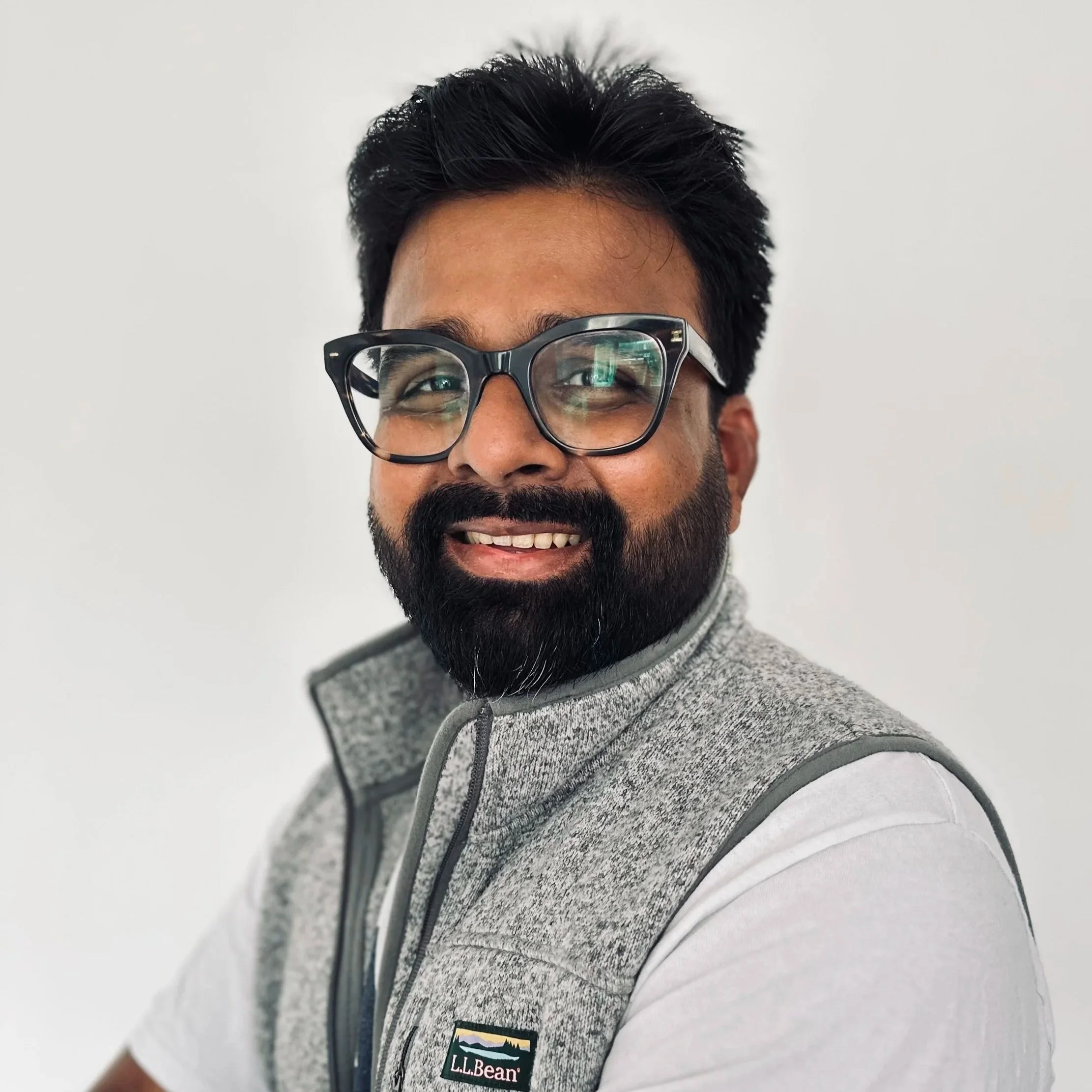
Ananth Kumar is an entrepreneurial scientist and a policy nerd. Ananth obtained my PhD in Biological Science from the MRC Laboratory of Molecular Biology as a GATES Cambridge scholar. He was then a HFSP long-term fellow at Yale University working on non-coding RNAs. Outside of science, he enjoys cricket, Japanese sword fighting and reading fiction.
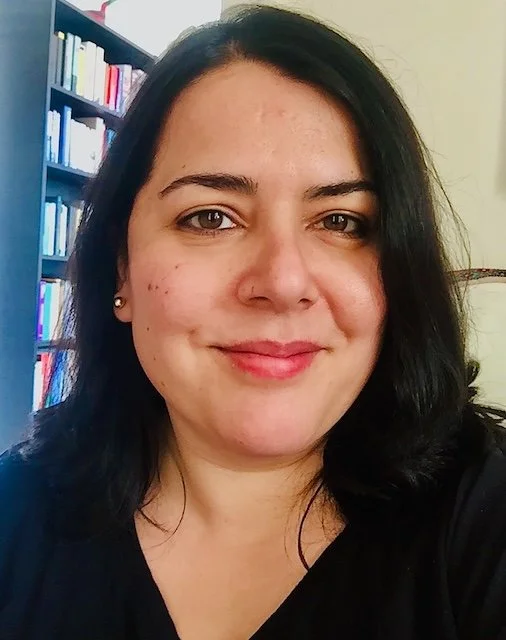
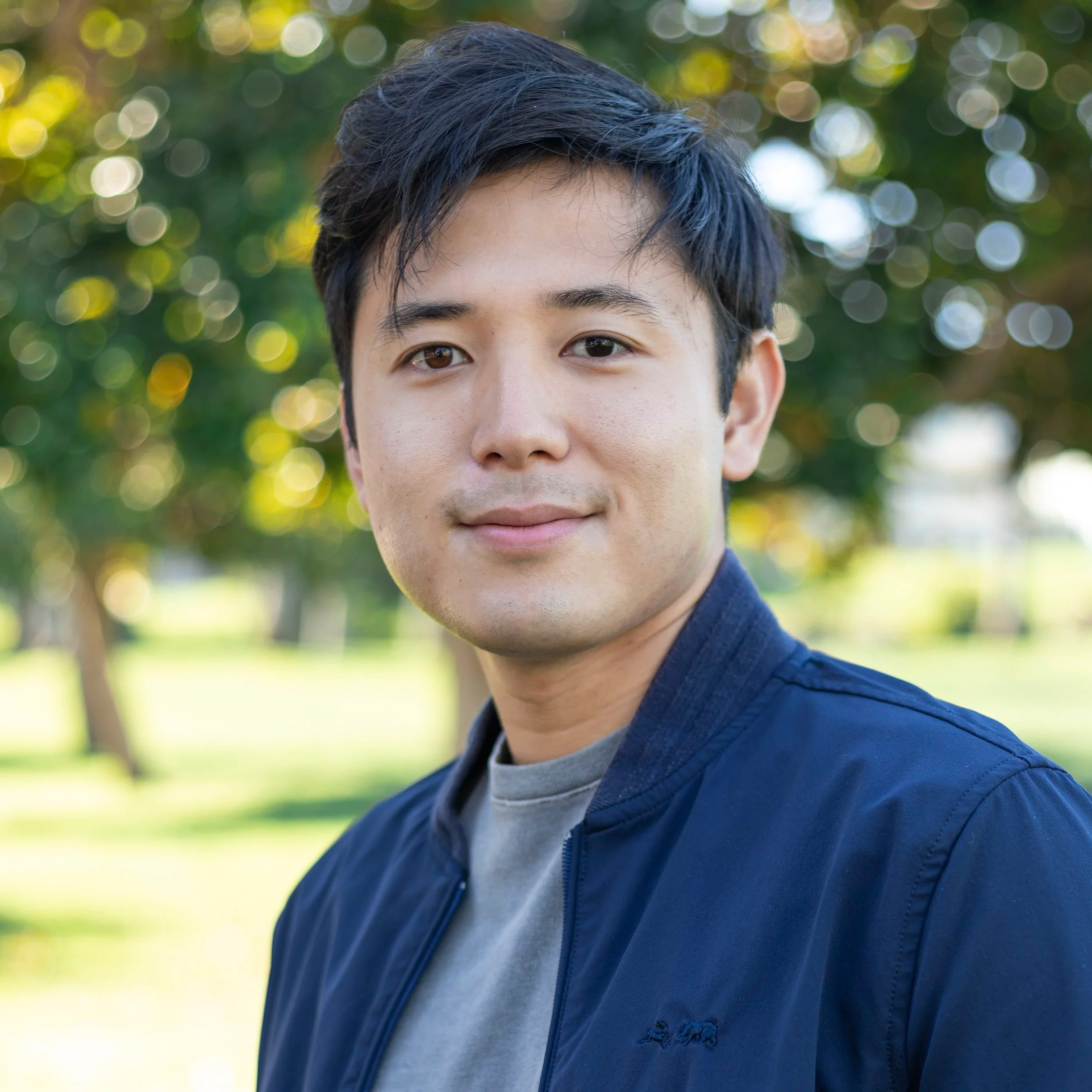
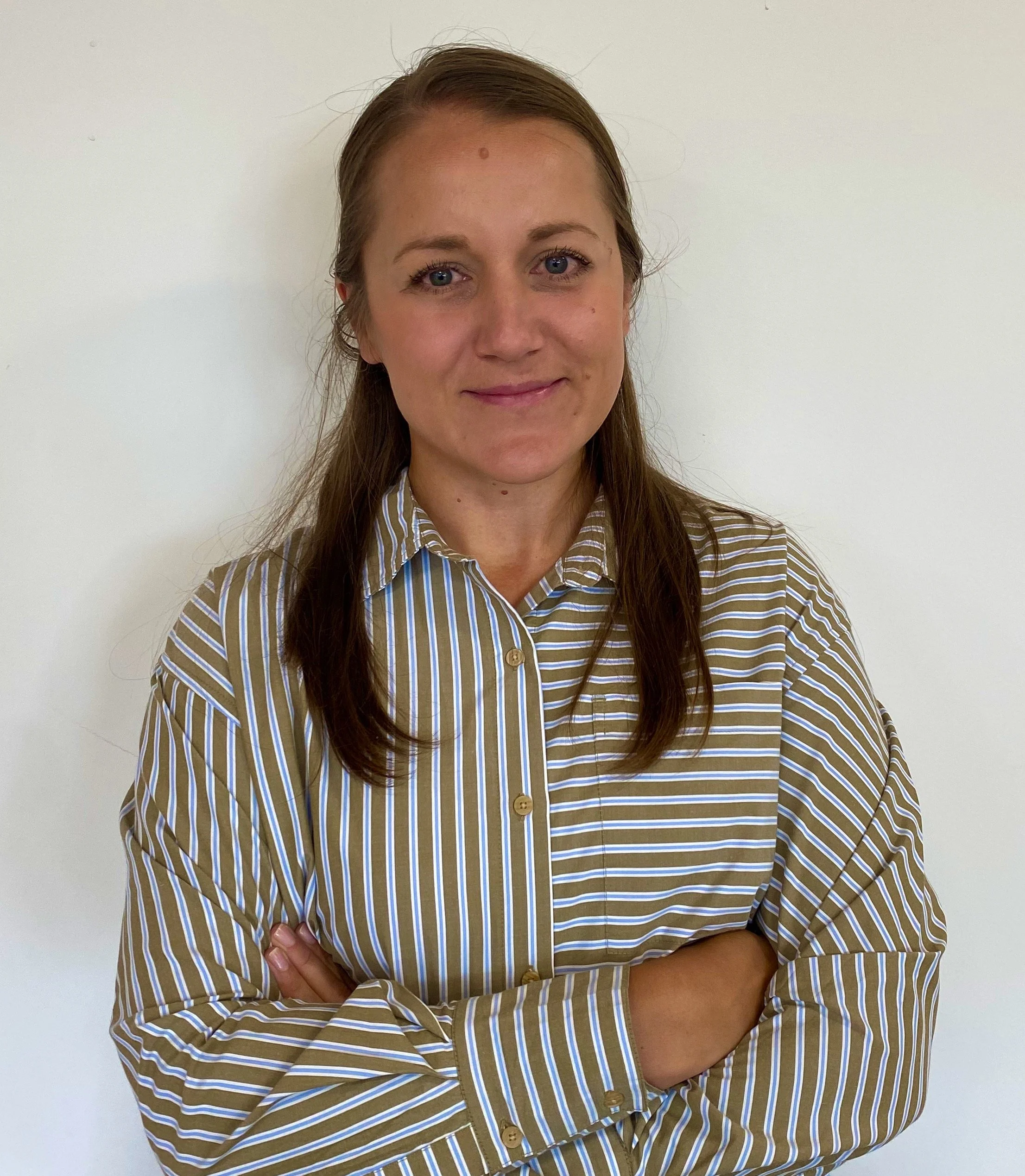
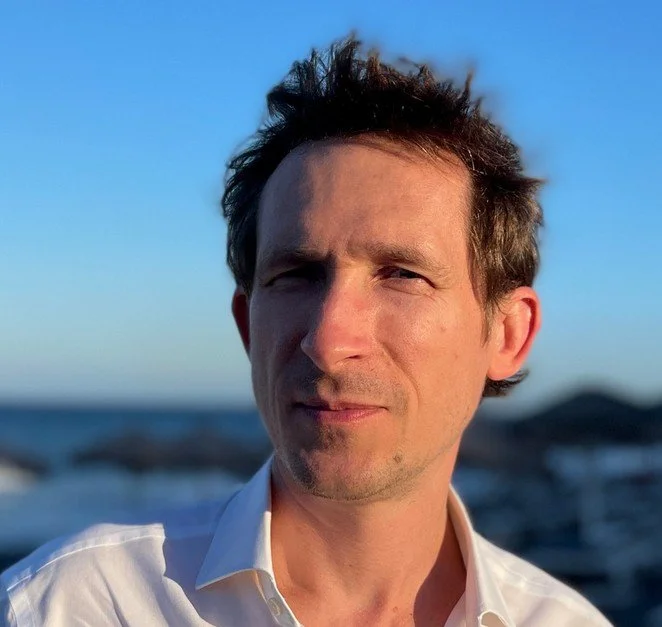
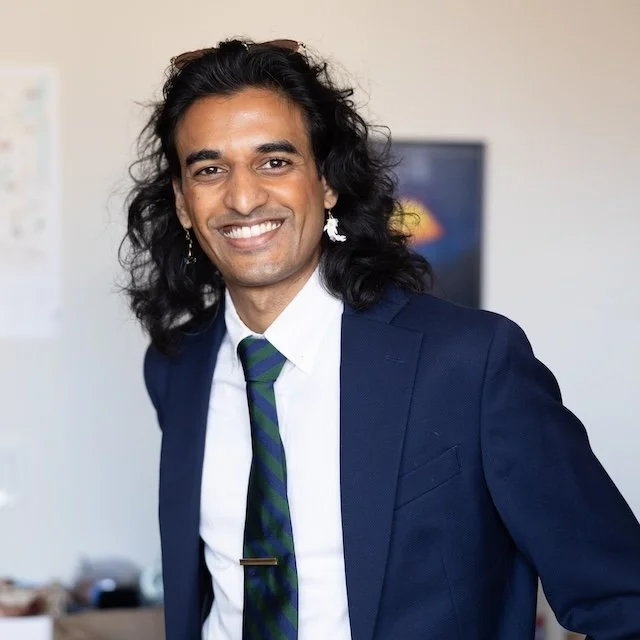
Nazila Kamaly is Associate Professor of Chemistry at Imperial College London. She earned an MSci in Medicinal Chemistry at UCL and a PhD at Imperial, then held postdoctoral and instructor roles at MIT and Harvard Medical School (2011–2016). Formerly faculty at the Technical University of Denmark with a Lundbeck Fellowship, she develops targeted nanomedicines for heart disease and inflammation. Her group designs bioinspired multifunctional nanoparticles and structured biomaterials for stimuli-responsive, spatiotemporally controlled drug delivery and studies nanoparticle–biointerfaces using biomicrofluidic models. With 100+ papers, 14,000 citations, h-index 33, and £7 M in funding, she drives cross-sector collaborations and innovations with commercial potential in rare diseases, oncology, immunology, regenerative medicine, and advanced biologics delivery.
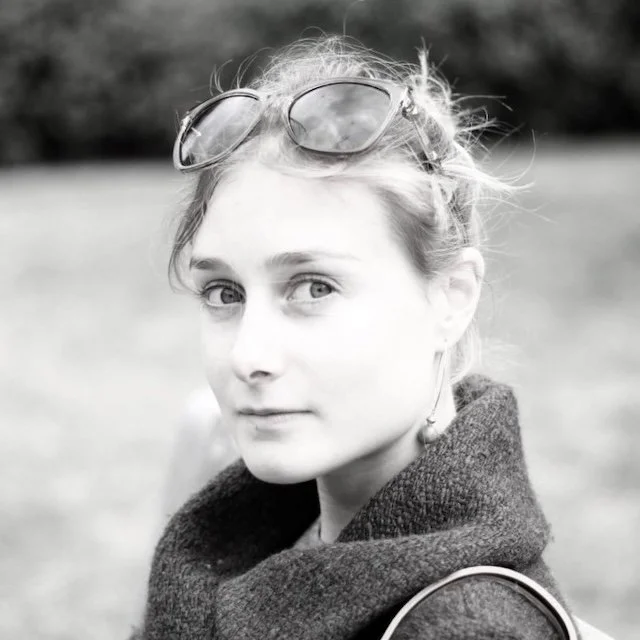
Inga van den Bossche is a Materials Engineer turned Bioengineer currently interested in exploring the intersection of bits and atoms by using nucleic acids for therapeutic applications. Previous research experiences have led her from studying thermomechanical properties of melanin in keyhole limpets, to electrospinning of chitosan-based wound healing cottons, and multiplexing microRNA in point-of-care diagnostics. She also has a strong interest in supporting translational research, and has worked in VC as well as led Research at Nucleate to accelerate techbio and biotech innovations across the globe.
Karim Brohi is a trauma surgeon and director of the Centre for Trauma Sciences at Queen Mary University of London. He was a founder of the London Major Trauma System and its director for a decade until May 2025. His research, focusing on improving survival after major trauma, focusing on the first minutes and hours after injury, has dramatically improved survival after severe injury worldwide.
Dean Thomas is a Research Fellow at the University of Glasgow specialising in Digital Chemistry. He completed his PhD in the Leigh Group at The University of Manchester, focusing on fuelled artificial molecular machines with applications in catalysis and cargo delivery. Since joining the Cronin Group, Dean has developed autonomous synthesis platforms, prioritising the safe handling of hazardous materials and advancing methods for reaction discovery, optimisation and integration into fully automated chemical manufacturing workflows.
Arzhang Ardavan After completing his BA in Physics (1994) and D.Phil in experimental condensed matter physics (1998) at Corpus Christi College, Oxford, Arzhang Ardavan spent three years as a Junior Research Fellow at Wolfson College, Oxford. Between 2003 and 2012 he held a Royal Society University Research Fellowship. Since 2001 he has held a Tutorial Fellowship at Magdalen College, Oxford, and since 2015 a Professorship in Physics. Arzhang’s research is multidisciplinary, based in physics, but with strong collaborations with chemists. His research group benefits from close links with other world-leading research activities internationally.
Sven Truckenbrodt is a group leader at the MRC Laboratory of Molecular Biology (LMB) in Cambridge, UK. Sven's ambition is to understand how the brain's biological hardware produces cognition and consciousness, and then use that data to address brain disorders and build better computational systems. Sven has most recently helped build next-generation brain mapping technology in my role as Lead Scientist Molecular Connectomics at E11 Bio, one of the world's first Focused Research Organizations (FROs). Before that, Sven developed expansion microscopy technology that enables multidimensional brain mapping. He's now stepping into a group leader position at the MRC Laboratory of Molecular Biology (LMB) in Cambridge, UK, where my team will create brain maps that reveal the molecular and functional depths of the "hidden connectome.”
Alex Araki is a gene therapy and animal scientist dedicated to solving the predictive validity problem in modern drug discovery. Across academia (Yale, UW–Madison) and industry (Gordian Biotechnology), he has built complex age-related disease models in multiple species and tested thousands of novel AAV therapies. Now, as founder of Artemis FRO, Alex seeks to develop mammalian models that make preclinical studies more predictive, aligning incentives between public and private sectors to create open, reproducible systems—and to reduce the 90% clinical trial attrition rate that defines today’s pipeline.
Agata Nyga is an academic-turned-entrepreneur with over 15 years of experience in bioengineering and mechanobiology. She has led research projects at leading international institutions and authored more than 30 peer-reviewed publications. Alongside her academic work, Agata has delivered industry-led R&D initiatives and helped establish operations within emerging life sciences companies She is now CEO and Founder of SynLaia Innovations, which she founded in January 2025 to bring mechanomics into the drug discovery space - developing a first-in-class platform for mapping and modulating the mechanical states of cells and tissues across health and disease.
Artem Mishchenko is a condensed matter physicist at the University of Manchester. He studies quantum effects in atomically thin materials, combining advanced experiments with AI to rapidly discover new electronic, magnetic, and optical properties.
Jonathan “Jo” Melville was a Fellow in the US Department of Energy's Advanced Research Projects Agency (ARPA-E) from 2022-2024. While at ARPA-E, he conceptualized, selected, and managed moonshot funding programs that deployed over $100 million in high-risk grants for carbon-neutral steel production, synthetic fuels, and geologic hydrogen, among others. Jo has a PhD in chemistry from MIT, with a dissertation studying molten-salt electrolysis for industrial decarbonization, and a bachelor's degree (also in chemistry) from UC Berkeley. In his free time, Jo enjoys tabletop games, instant photography, and writing about himself in the third person. He is from San Francisco, California.